


Arthrosis is a chronic joint disease that manifests itself in adulthood.The characteristic sign of the disease is the destruction of the cartilage and changes in the bone structure.Most often, people over the age of forty are prone to various types of arthrosis, but nowadays it is increasingly occurring in the younger generation.
Causes of the disease
The main cause of arthrosis is age-related changes.Over time, the bones and ligaments weaken, less vitamins and microelements are delivered, all of which has a negative effect on the entire body.According to doctors, the symptoms of arthrosis appear earlier every year, which is associated with a bad environment, unbalanced diet, and bad habits.Other factors, conditionally divided into two groups (primary and secondary), also contribute to arthrosis.These include:
- Excess weight leads to stress on the joints, which contributes to arthrosis and its rapid development.
- Difficult working conditions that put strain on the joints.Miners, metallurgists, masons and others are at risk.
- Disturbances in the functioning of the endocrine system.
- Repetitive joint injuries.
- Hereditary tendency.
Common causes of the secondary type include injuries, autoimmune diseases, blood clotting, arthritic processes, hormonal disorders, blood supply disorders, hypothermia, and others.Arthritis is promoted by constant use of the hand, professional sports, arthritis and congenital disorders of the structure of the joints.
Symptoms of the disease
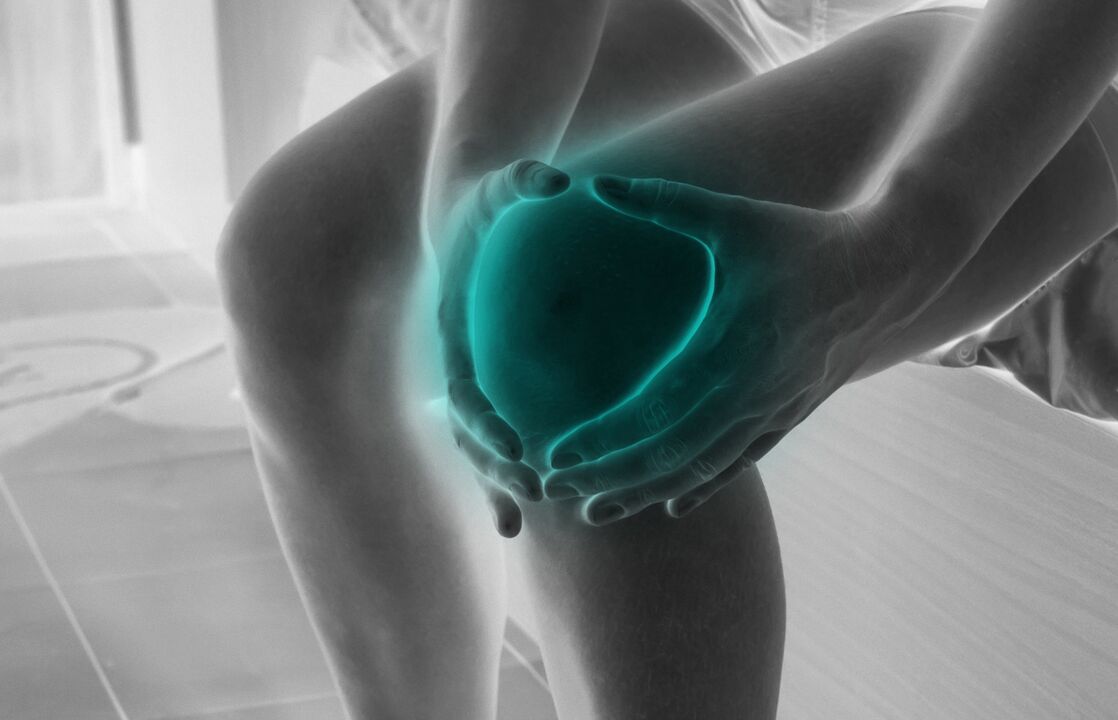
Arthrosis develops gradually.At first, there are no signs of its presence in the body.Joint crunch is the first symptom, which makes it worth paying attention to the damage.The pain syndrome is absent or manifests in a weak form without a clear localization.The stiffness of the joints gradually appears, the nature of the pain becomes clearer and more intense.Most often, the symptoms of the disease appear after a long period of rest or heavy physical work.
Arthrosis is indicated by morning stiffness, but it goes away after light exercise.Gradually, the picture is completed by pain at night and the reaction of the joints to the weather.A constant creaking sound is heard, movements are limited and painful.Patients often complain of discomfort in the back and spine;it is difficult for them to find a comfortable position during sleep, as movements are accompanied by spasms and pain.Acute attacks are followed by periods of relief, but then the symptoms return.
Types and degrees of the disease
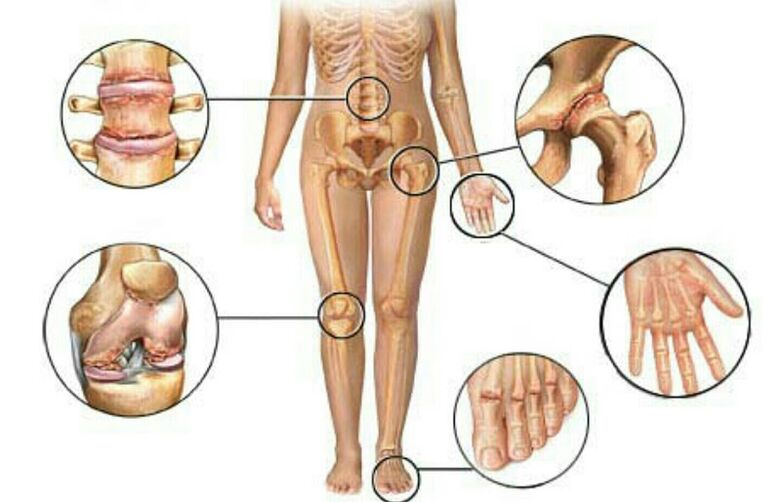
Doctors distinguish four degrees of arthrosis.The primary danger is the absence or mild sensation of pain.Even with a medical examination, the disease cannot always be diagnosed.Palpation of the area gives a good result;in this case, an experienced doctor will notice slight changes in the area of the damaged joint.This stage is characterized by the satisfactory condition of the patient;any pain symptoms can be attributed to weather conditions or fatigue.
The second stage presents with noticeable symptoms.The pain syndrome becomes stronger, but remains tolerable.At this stage, the destruction of the joint and the appearance of osteophytes begin.Cramping and general malaise are now a constant companion of the patient.At this stage, it is important to recognize and treat arthrosis with special drugs in time.
In the case of third-degree arthrosis, the cartilage thins noticeably, extensive foci of destruction appear, and tissue nutrition is interrupted.With the naked eye, more osteophytes are visible and severe deformation is observed.
Fourth-degree arthrosis is characterized by severe changes and deformation.There is no common space.
Diagnostic measures and treatment
Treatment of arthrosis is impossible without establishing a diagnosis.The rheumatologist takes part in this.
The first stage involves gathering information from the patient.The specialist will ask about the time of the appearance of the first symptoms, the nature and location of the pain, and determine the related factors.The following diagnostic steps before treating arthrosis:
- X-ray is the main diagnostic method.
- Piercing joints to determine the extent of change.
- Biopsy - determines the condition of the joints at the time of the examination.
A blood test and several other tests are also required.
The treatment regimen necessary for the treatment of arthrosis is selected based on the information received and the results of laboratory tests.Unfortunately, it is almost impossible to overcome arthrosis in the final stage.However, regular medication and prevention help to improve the patient's quality of life.
In other cases, the treatment of arthrosis consists of a series of measures and depends on the degree of development of the disease.Possible treatments:
- Pain relievers and anti-inflammatory, restorative injections and medications.
- Sanatorium resort procedures.
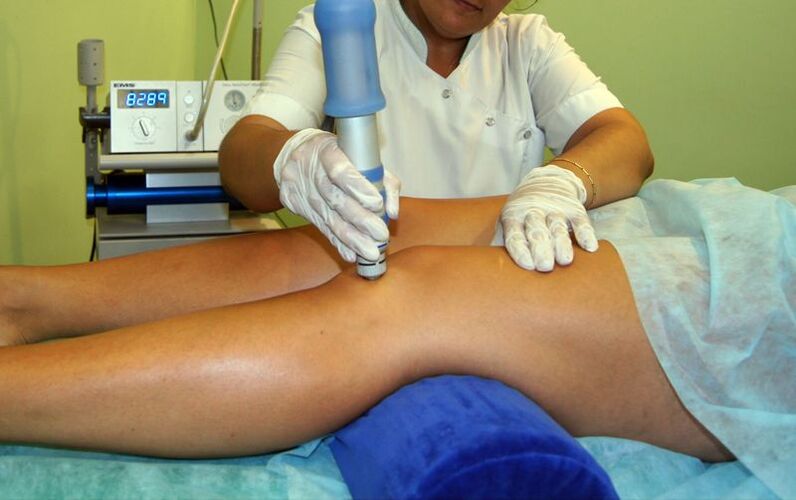
- Massages and physical therapy.
- Electrophoresis, etc.
In addition to the basic treatment regimen for arthrosis, it is recommended to modify the diet, lose weight and reduce physical activity.
In some cases, folk remedies are used to treat arthrosis, but only as prescribed by a specialist.At home, during the treatment, you can use the ointments, gels and herbs prescribed by the doctor.In severe cases, surgical methods are used to treat arthrosis.Depending on the stage of the disease, the damaged areas are replaced with analogues.This helps restore mobility and relieve pain.
Preventive measures
Any disease is easier to prevent than to treat.Adherence to simple rules and regular examinations help to reduce the chance of developing different types of arthrosis.
Avoiding excessive exercise is recommended, but don't forget about preventive sports as well.As a sport, it is better to choose gentle sports.Ideal for walking, swimming and light jogging.It is worth giving up bad habits and leading a healthy lifestyle.If you are overweight, adjust your diet and include foods rich in vitamins and minerals in your diet.If you have problems with the endocrine system, do not neglect treatment, but see an endocrinologist.